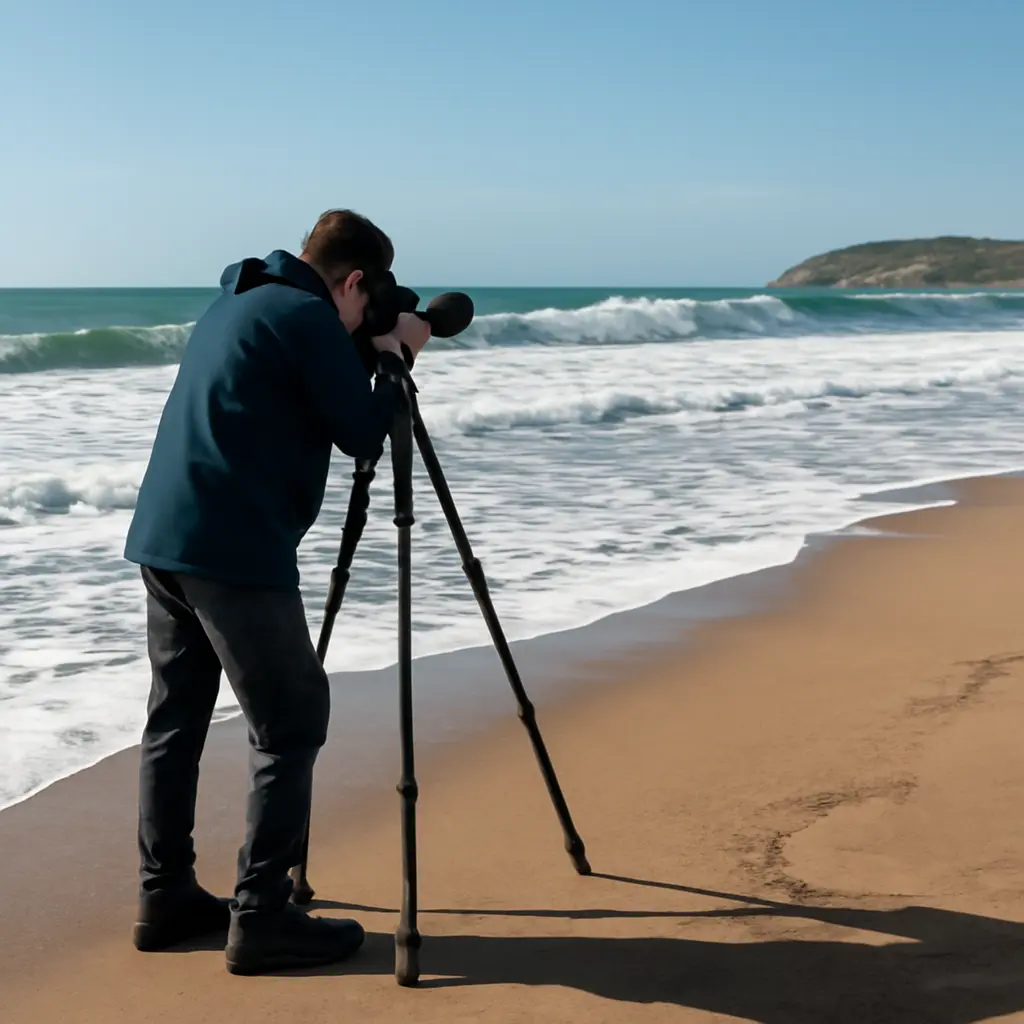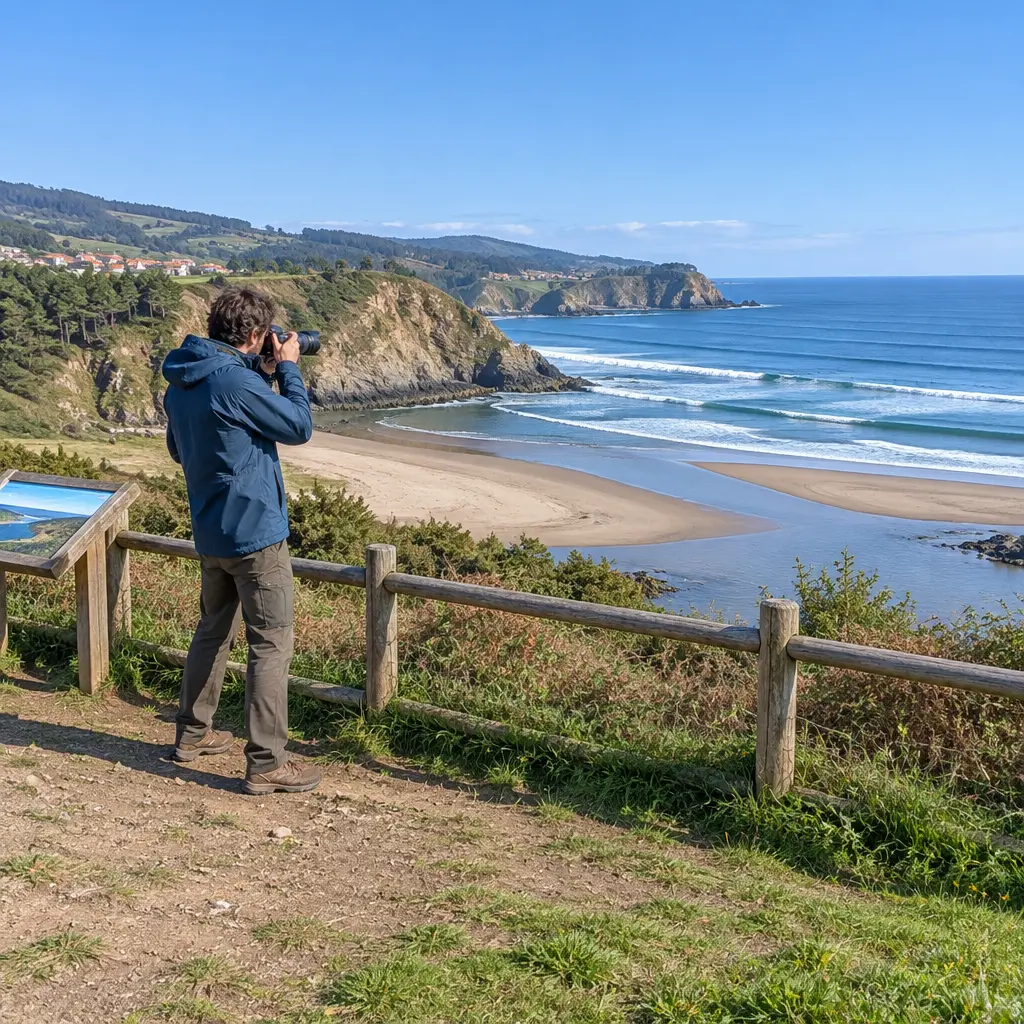
Asturias surf photography is not limited to the region’s best-known breaks: it includes the headlands, estuaries, working harbors, and quieter stretches of coast that give surf images a stronger sense of place. Asturias is a northern Spanish region with roughly 400 kilometers of coastline, and its varied shoreline offers photographers alternatives to crowded or familiar beach viewpoints. The most rewarding overlooked locations are not necessarily secret surf spots; they are places to photograph waves, surfers, coastal weather, and everyday maritime life while respecting access, tides, and local conditions.
Asturias surf photography locations: what makes a place worth photographing
A surf photography location is a viewpoint or coastal setting that lets a photographer document surfing and wave conditions safely and compellingly. It may be a beach with a rideable break, a cliff or headland overlooking the water, or a harbor edge where the sea meets the built environment. This distinction matters in Asturias: a visually dramatic coast is not automatically a safe or suitable place to enter the water, and a photographable break is not necessarily a recommended surf spot.
Asturias’s official tourism information describes a coastline marked by beaches, cliffs, capes, and estuaries. That variety gives photographers several compositional choices: long-lens action from an elevated viewpoint, wide scenes that include cliffs or fishing villages, and intimate studies of foam, rock, and changing light. The regional coastline is extensive, but conditions vary locally, so check tide tables, weather forecasts, and beach safety notices before choosing a position.
Headlands and cliff paths
A headland is a section of high or projecting land that extends toward the sea. From a lawful, stable viewpoint, it can reveal a break’s shape, the direction of incoming swell, and surfers’ scale against the coastline. Look for established paths and marked viewpoints near smaller coastal settlements rather than stepping onto unstable edges or private land. A longer lens can isolate a surfer without requiring a risky position close to the water.
Estuary mouths and river beaches
An estuary is a coastal area where river water meets the sea. Its shifting sandbanks, channels, and reflections can create striking surf images, particularly when waves break near the river mouth. These settings are also changeable: currents, water depth, and sandbars can shift, and river flow may affect conditions. Photograph from a secure shore position, watch the tide, and do not assume that a calm-looking channel is safe to cross.
Harbors and working coastal landscapes
Harbors offer a different kind of surf photograph: waves in conversation with breakwaters, fishing boats, sea walls, and village architecture. They are especially useful when the goal is to tell a broader story about the coast rather than to capture only a surfer on a wave. Keep clear of working areas, respect signs and private property, and avoid standing on wet harbor walls or exposed structures during rough seas.
Overlooked western Asturias surf photography locations
Western Asturias rewards photographers who look beyond headline beach names. Small coves, river mouths, and village coastlines can supply distinctive foregrounds and changing light, even when the surf itself is not large. The best approach is to treat these places as photographic settings to scout, not as guaranteed breaks: wave quality and access depend on swell direction, tide, weather, and local conditions.
Tapia de Casariego’s harbor-side perspectives
Tapia de Casariego is known for its surf culture, but photographers can find less familiar compositions by including the harbor, coastal paths, and village edges rather than photographing only the main beach. These elements help establish place and add scale. Scout from public paths in daylight, identify a safe return route, and avoid exposed rocks when swell is washing across them.
Navia estuary and the coast around the town
The Navia area combines river and sea landscapes, making it a useful setting for images of changing water, sand, and coastal settlement. Estuary scenes often work well at low or falling tide, when patterns in wet sand become visible, but tidal timing alone does not guarantee safe access. Use official tide information and keep a generous distance from channels and river-mouth currents.
Small coves between established beach destinations
The stretches between better-known western beaches often contain smaller coves and rocky viewpoints that feel quieter in photographs. Their value is compositional: a foreground of dark rock or coastal vegetation can frame a distant surfer and make a familiar Atlantic scene feel specific to Asturias. Before visiting, verify that the path is public and open, and do not descend to a cove if the return route could be cut off by the tide.
Central Asturias locations for varied surf imagery
Central Asturias provides a mix of accessible urban beaches, coastal promenades, and more natural headlands. These settings make it easier to combine action photography with portraits, environmental images, or documentary details. They also require awareness of other beach users: keep equipment out of busy routes, ask before making identifiable portraits, and follow local restrictions.
Salinas beyond the main beach view
Salinas is one of Asturias’s prominent surf beaches, but its long shoreline and surrounding coastal structures offer more than a single straight-on view of the break. Try compositions that use the promenade, dunes, or distant headland as context, while staying on designated paths and away from fragile dune vegetation. Surf photography here can be strongest when the image records both the activity and the beach’s relationship with the nearby town.
Bay and headland viewpoints around Gijón
Around Gijón, urban coastline and exposed viewpoints can produce a useful contrast between city life and Atlantic surf. A wide-angle image can include the bay, coastal buildings, and weather, while a telephoto frame can focus on surfers or wave texture. Check municipal beach information and access notices; urban convenience does not remove the risks of slippery rocks, sudden sets, or changing water levels.
Ribadesella’s river-and-sea setting
Ribadesella offers a strong visual combination of estuary, beach, bridge, and town. For surf photography, that setting is valuable even when the day’s waves are modest: the surrounding landscape can carry the image. Frame surfers against the shoreline or use reflections and river-mouth patterns, while treating currents and tide movement as safety concerns rather than merely photographic effects.
Eastern Asturias: cliffs, beaches, and coastal context
Eastern Asturias is especially rewarding for photographers who want surf images embedded in a dramatic landscape. Cliffs, headlands, and smaller beaches can supply strong layers, but access may be more exposed and paths less forgiving than an urban promenade. Local beach and park guidance should take precedence over a planned shot, particularly during heavy swell or poor visibility.
Llanes coastline and lesser-used viewpoints
The Llanes coast is known for its varied beaches and rugged scenery. Rather than relying only on a familiar beach panorama, look for public viewpoints where the coastline forms a natural frame around the surf. A photographer can use a wide lens to show the scale of cliffs or a longer lens to compress waves against the shore. Avoid cliff edges, unstable ground, and closed or restricted paths.
San Antolín and the beach landscape
San Antolín’s broad beach and surrounding landscape can support both action frames and environmental portraits. The beach’s openness helps reveal wave lines and changing weather, while its setting adds context that a tight crop would miss. Check local conditions before approaching river-mouth areas, and keep a safe margin from water that can surge farther up the beach than expected.
Bufones de Pría as a coastal-weather subject
The bufones near Pría are coastal blowholes where seawater can be forced through openings in the rock under particular sea conditions. They are a dramatic landscape subject, not a place to approach for a surf shot. Regional and local visitor guidance warns that the displays depend on sea state and that the area can be dangerous near the openings and cliff edges. Photograph from designated safe viewpoints, obey closures, and never stand above or beside a blowhole to improve a composition.
Planning and safety for Asturias surf photography
Good location research is part of the photograph, not a task to leave until arrival. The Spanish State Meteorological Agency, AEMET, publishes forecasts and coastal warnings; Spain’s official tide information helps photographers anticipate changing access and shoreline conditions. Check both close to the visit, since swell, wind, rain, and visibility can change quickly along the Cantabrian coast.
Match the viewpoint to tide, swell, and light
A viewpoint that works at low tide may be unsafe or inaccessible at high tide. Swell direction influences whether a beach receives waves, while wind can affect both wave shape and camera stability. For a practical scouting routine, note the tide stage, forecast swell and wind, sunrise or sunset direction, and the safest route back before setting up. Do not remain on an exposed platform simply to wait for better light.
Protect people, wildlife, and fragile coastal ground
Dunes and cliff-edge vegetation are vulnerable to trampling, so use marked paths and established access points. Keep a respectful distance from surfers and other beach users, and ask permission when making close, identifiable portraits. In protected areas, follow posted rules about access, drones, and wildlife; restrictions can vary by site and season.
Build a responsible shot list
A shot list helps photographers make useful images without chasing dangerous conditions. Consider a wide establishing frame, a medium view of the break, a detail of foam or wet sand, and a contextual image of the harbor or village. If conditions become unsafe, turn to sheltered coastal details or return another day. No image is worth entering the water, crossing a closed area, or standing beneath an unstable cliff.
Conclusion: photograph the wider Asturias coast
Asturias surf photography locations extend well beyond famous beaches. Headlands, estuary mouths, harbors, urban bays, and quieter coves provide distinct ways to record waves and the communities that live beside them. The strongest approach combines local knowledge with tide and weather checks, safe public viewpoints, and respect for people and coastal habitats. Before your next outing, choose one area to scout, consult current official forecasts and access notices, and plan a safe alternative if conditions change.
Sources: Turismo Asturias, “Asturias, Natural Paradise” and official coast and beach information, https://www.turismoasturias.es/; AEMET, “Coastal Forecasts and Warnings,” https://www.aemet.es/en/eltiempo/prediccion/maritima; Instituto Hidrográfico de la Marina, tide tables and predictions, https://armada.defensa.gob.es/ihm/; Gobierno del Principado de Asturias, official environmental and protected-area information, https://www.asturias.es/; Llanes Tourism, coastal and Bufones de Pría visitor information, https://www.llanes.es/.