
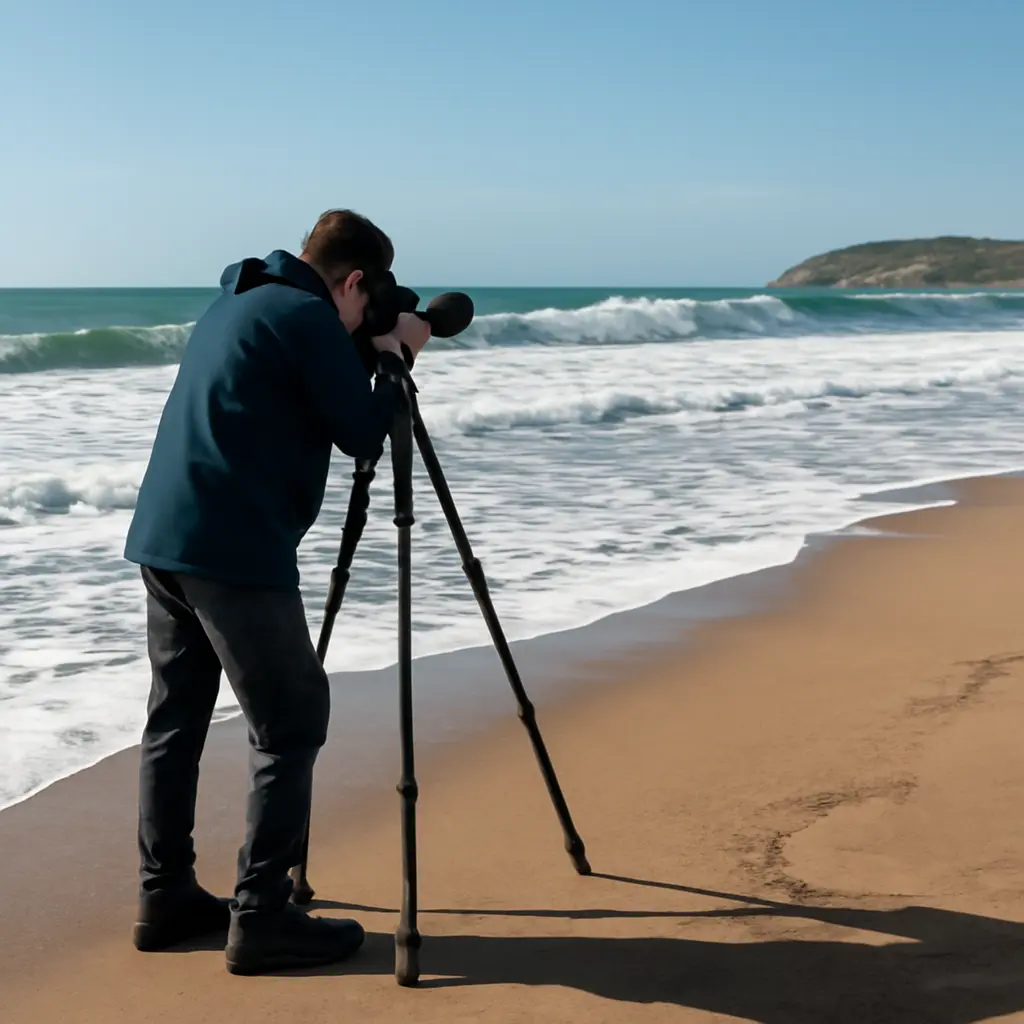
Wave photography in 2026 is not abandoning color so much as rediscovering what monochrome can do: emphasize water’s structure, light, and motion without the distraction of hue. Black-and-white wave photography is an approach to photographing surf in tones from white to black, using contrast and texture to describe moving water. Its renewed appeal fits a wider visual culture that prizes tactile, enduring images, while accessible editing tools make monochrome easier to explore. This article looks at the aesthetic’s history, the techniques that make it work, the role of digital and film workflows, and how to approach wave photography responsibly.
Why black-and-white wave photography is returning to timeless simplicity
The claim that wave photography is “returning” to black and white is best understood as an artistic trend, not a measured industry-wide reversal. There is no authoritative 2026 statistic showing that monochrome wave images now outnumber color images. The enduring case for the style is visual: removing color can make tonal contrast, foam, spray, shadow, and water texture the main subjects. In a genre where a fraction of a second can change a wave’s shape, those elements offer photographers a clear way to communicate motion and scale.
The subject also has a deep photographic history. Early photography was monochrome, and later generations of landscape and seascape photographers developed ways to use light and tonal relationships to express atmosphere. Today, photographers can work in-camera in monochrome, convert a color file during editing, or use black-and-white film. The result is not a single look: high-key images can make foam appear luminous, while low-key images can turn a breaking wave into a dramatic mass of shadow and light.
Black-and-white wave photography emphasizes form, contrast, and motion
Black-and-white wave photography is a photographic treatment in which a wave or seascape is rendered through tonal values rather than visible color. The Royal Photographic Society’s educational material on photographic composition emphasizes the importance of light, shape, and tonal relationships in making an image legible and expressive. Applied to surf, this means choosing exposure, angle, timing, and processing so that the wave’s structure remains distinct from the sky, shore, and surrounding water.
The main related forms include close-up surf studies, wide coastal landscapes, long-exposure seascapes, storm-wave photographs, and documentary images of people interacting with the sea. They share a monochrome palette but differ in purpose: a close-up may prioritize texture, while a wide view may use the wave to establish scale and place.
Tonal contrast separates foam from water
Tonal contrast is the difference in brightness between parts of an image. In a wave photograph, bright foam against darker water can reveal the curl, crest, and retreating patterns of surf. Contrast alone is not enough, however: if highlights lose all detail or shadows become featureless, the water can look flat rather than dimensional. Photographers can check the image histogram and highlight warnings, then adjust exposure and editing to retain detail where it matters.
A practical example is a shore break photographed from a low angle. When the sun is behind or beside the wave, backlit spray may glow against darker water; with light coming from the camera’s direction, surface texture can appear more evenly lit. A test series made at different angles often reveals which lighting best describes the wave’s form.
Shutter speed translates water into different visual categories
Shutter speed controls how movement is recorded. A fast exposure can preserve droplets and a sharp crest, while a slower exposure can soften moving water into streaks or a mist-like surface. These are creative choices, not fixed definitions of good wave photography; the right setting depends on wave speed, distance, light, and the intended effect.
The National Institute of Standards and Technology explains that exposure time is one of the core controls in photography, alongside aperture and sensitivity. In practical terms, a photographer can begin with a fast shutter for a breaking wave, then try slower exposures when the water’s movement is the subject. A tripod helps with longer exposures, but it does not make standing near surf safe or protect equipment from spray.
Composition gives a wave scale and direction
Composition is the arrangement of subjects and visual elements within the frame. For monochrome surf, a shoreline, headland, surfer, or distant horizon can help viewers judge the wave’s size and direction. Negative space—the quieter area around the main subject—can also make a powerful wave feel more isolated or monumental.
A useful field exercise is to photograph the same set of waves in both a tight crop and a wide composition. The tight frame may reveal a curling lip and foam patterns; the wide frame may show how the wave relates to the coast. Comparing them makes clear that monochrome is not a substitute for composition: it strengthens some visual relationships while leaving weak framing exposed.
Digital and film workflows shape the monochrome look
The monochrome wave image can originate in a camera setting, a color photograph converted in editing software, or a film negative. Each route offers a different balance of flexibility and commitment. Digital files typically allow photographers to revisit tonal decisions later; dedicated monochrome film commits the photographer to a particular capture and development process.
Digital conversion allows selective tonal control
A digital black-and-white conversion maps color information into shades of gray. Editing tools may let the photographer adjust how original colors translate into tones—for example, making a blue sky darker or separating pale foam from gray water. The Adobe Lightroom Classic user guide describes black-and-white editing controls that allow targeted adjustments to color channels, helping photographers shape the tonal separation in a converted image.
A strong workflow begins with a well-exposed original, followed by careful conversion, highlight and shadow adjustments, and restrained sharpening. Excessive clarity or contrast can create harsh edges and make spray look unnatural. Photographers who want a faithful documentary record should also preserve the original file and avoid edits that misrepresent conditions or events.
Film and grain offer a distinct material character
Black-and-white film records an image using light-sensitive materials that are processed into a negative or positive. Film photographers may choose a film stock for its grain, tonal response, and exposure latitude, then use development and printing to refine the final image. Grain can contribute texture, but it is not a guarantee of authenticity or artistic quality; its usefulness depends on the photograph’s scale and mood.
Digital and film approaches can therefore serve different intentions. A photographer making a sequence of changing surf may value digital flexibility and rapid review, while a deliberate film project may center on anticipation and a slower working rhythm. Both can produce timeless-looking results when exposure, composition, and tonal treatment support the subject.
Safe and responsible practice matters in surf photography
Wave photography takes place in a changing natural environment, so access and safety are part of the craft. The National Oceanic and Atmospheric Administration warns that sneaker waves can arrive unexpectedly and reach farther up a beach than preceding waves. Photographers should observe conditions, keep a clear route to higher ground, stay outside hazardous surf zones, and follow local warnings and access rules. A compelling angle is never worth being swept into the water.
Respect for people and place matters as well. Keep a safe distance from surfers, swimmers, wildlife, and coastal infrastructure; avoid blocking public access; and follow local guidance about protected habitats. When publishing documentary images, captions should accurately describe the location and conditions, and photographers should consider privacy and consent when identifiable people are central to the image.
Conclusion: monochrome makes the wave’s structure the story
Black-and-white wave photography remains relevant in 2026 because it concentrates attention on tone, texture, composition, and movement. Tonal contrast separates foam from water, shutter speed determines how motion appears, and digital or film workflows provide different ways to shape the final image. The reported “return” is an aesthetic observation rather than a quantified market shift, but the appeal is easy to understand: waves offer naturally changing patterns of light and form that monochrome can make especially clear.
To explore the style, photograph the same stretch of coast in different light, experiment with both fast and slow exposures, and compare color originals with thoughtful monochrome conversions. Study the work of historical and contemporary seascape photographers, preserve the detail that gives water its depth, and put safety first whenever you work near the shore.
Sources: Royal Photographic Society, Photography composition and image-making educational resources, https://rps.org/; National Institute of Standards and Technology, Photography and exposure educational resources, https://www.nist.gov/; Adobe, Lightroom Classic User Guide: Black and white photos, https://helpx.adobe.com/lightroom-classic/help/black-white.html; National Oceanic and Atmospheric Administration, Sneaker waves, https://www.weather.gov/safety/ripcurrent-sneaker-waves.


